Your Team Is Ready. Are Your Donors?
Even if your leadership and board are aligned, prepared, and ready, an independent perspective can still uncover gaps and opportunities. Gain an assessment of your campaign readiness, donor support, major gift potential, and case for support before you launch.
Start the Conversation
Tell us a little about your organization and what you're considering.
Does Your Nonprofit Need a Feasibility Study?
Capital Campaigns
Planning a new facility, property purchase, major renovation, or other significant capital investment?
A feasibility study helps determine whether donors are ready to support the vision, whether the proposed fundraising goal is realistic, and what campaign priorities are most likely to resonate.
New Programs & Services
Before investing heavily in a new program or service, make sure the need and support are there.
A feasibility study can help evaluate community interest, donor enthusiasm, funding potential, and whether the proposed initiative has a strong enough foundation to move forward.
Program Expansion
Thinking about taking an existing program into a new market, community, or region?
A feasibility study can test the opportunity before you scale, including donor support, potential partnerships, funding capacity, local interest, and other factors that could influence success.
Organizational Readiness
A strong idea can still struggle if the organization is not prepared to execute it.
A feasibility study can evaluate leadership alignment, board engagement, staffing, systems, fundraising capacity, and other internal factors that may need to be strengthened before taking on a major initiative.
Major Funding Opportunities
Major donors, foundations, and other significant funders want confidence that an organization has done its homework.
A feasibility study provides stronger data, clearer priorities, donor feedback, and an independent perspective that can strengthen the case for investment.
An Organized Start Saves Time, Money, and Effort
Test Existing Donor Support
Understand donor enthusiasm, concerns, and giving capacity before you go public.
Validate Your Campaign Goal
Determine whether your proposed goal is ambitious, achievable, and supported by real donor potential.
Strengthen Your Case for Support
Discover which messages, priorities, and proposed projects resonate most strongly with donors.
Identify Major Gift Opportunities
Uncover Leadership Gift candidates, planned-giving opportunities, and prospective campaign advocates.
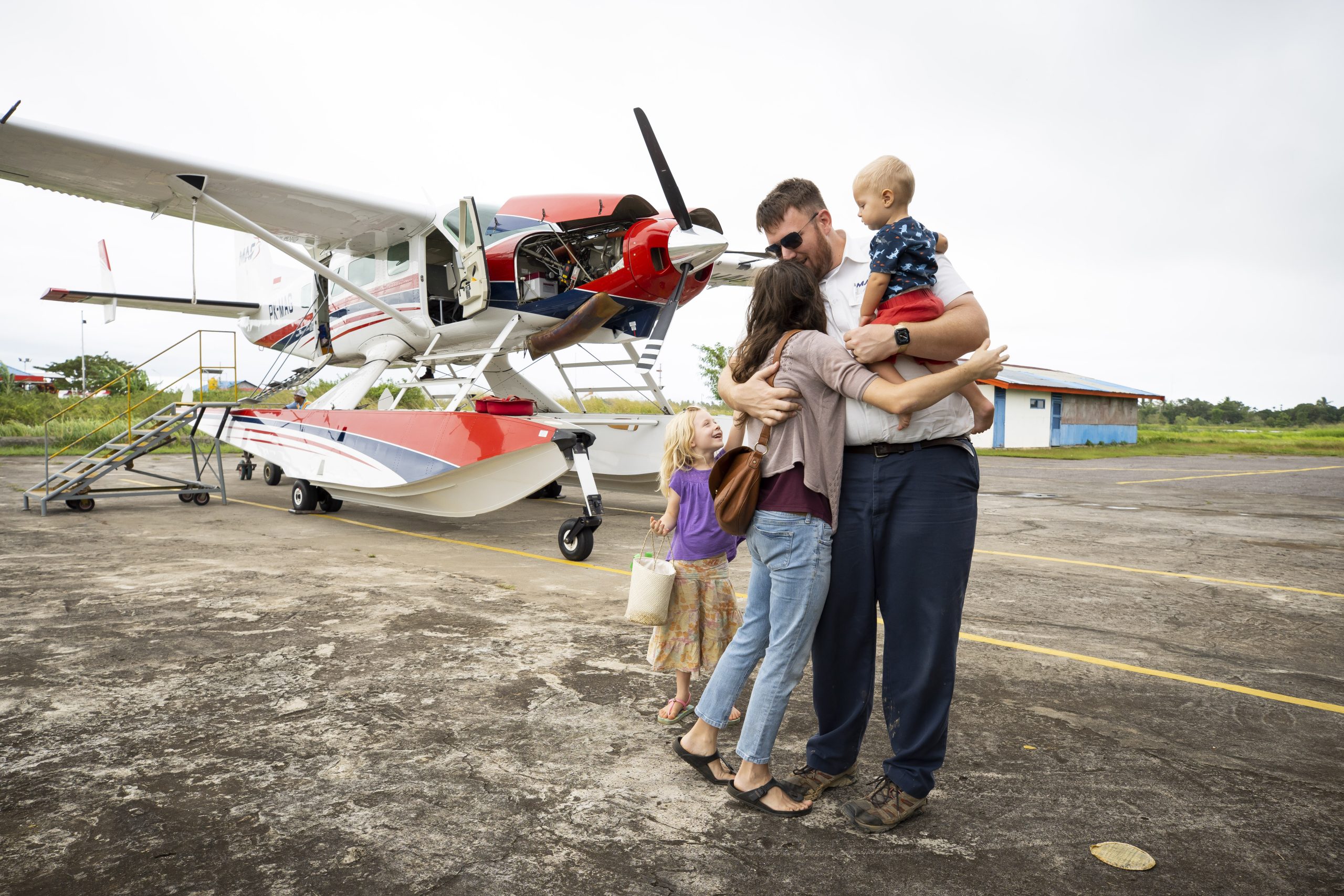
Helping Mission Aviation Fellowship Plan with Confidence
This is an example of the depth and insight we bring to every feasibility study.
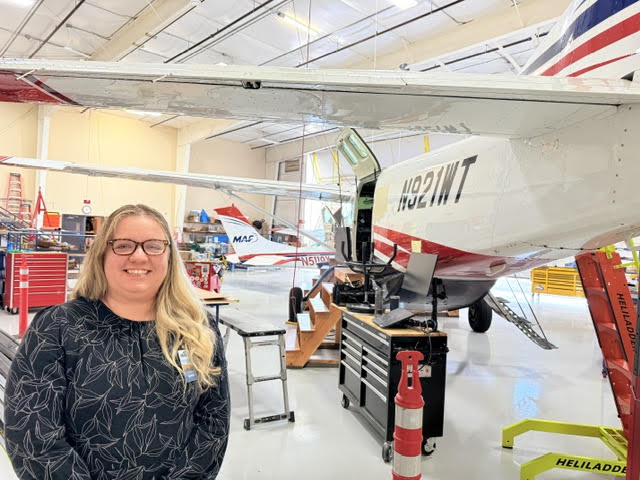

“The capital campaign feasibility study conducted by Dina Jones and Fit Fundraising provided valuable, data-driven insights that helped shape our planning process. Our leadership team was impressed with both the depth of the research and the quality of the final report.
The interview process and practical recommendations gave us a clear path forward and helped turn our vision into a realistic and achievable campaign. It was a worthwhile investment in our future campaign success. ”
Feasibility Study
Fit Fundraising conducted 125 confidential interviews with mega donors, major donors, and prospects to assess campaign readiness, test priorities, and evaluate leadership gift potential for MAF’s Hope Ascends Initiative.
INTERVIEWS
prospects, and
partners
RESONANCE
connection to
gospel impact
POTENTIAL
and planned giving
opportunities
FEASIBILITY
donor confidence and
support
Key Outcomes
- Validated campaign priorities and messaging
- Identified leadership gift opportunities and upgrade potential
- Evaluated donor confidence, trust, and organizational readiness
- Provided actionable recommendations for a successful campaign
What Fit Fundraising Evaluates
Campaign Readiness
Assess campaign timing, organizational momentum, leadership alignment, and internal preparation.
Donor Investment Potential
Evaluate donor interest, giving capacity, willingness to increase support, and philanthropic priorities.
Case for Support
Test the clarity, urgency, emotional connection, and fundraising strength of your campaign message.
Leadership Trust
Measure donor confidence in organizational leadership, stewardship, governance, and long-term direction.
Campaign Priorities
Identify which projects and funding needs generate the strongest donor interest and which may create hesitation.
Fundraising Capacity
Review staffing, systems, donor relationships, campaign infrastructure, and the ability to execute successfully.

Our Feasibility Study Process
Step 1: Organizational Discovery
We learn about your mission, proposed campaign, fundraising history, donor base, goals, and organizational context.
Step 2: Case for Support Review
We review or help refine the campaign case to ensure donors receive a clear and compelling presentation of the vision.
Step 3: Donor and Prospect Research
We identify the donors, prospects, board members, and stakeholders whose feedback will provide the clearest picture of campaign potential.
Step 4: Leadership and Stakeholder Interviews
We conduct confidential interviews and surveys to gather honest feedback about the campaign, leadership, priorities, and potential support.
Step 5: Analysis and Synthesis
We analyze donor responses, giving potential, campaign resonance, leadership-gift indicators, and organizational readiness.
Step 6: Findings and Recommendations
We deliver a clear assessment of campaign feasibility, risks, opportunities, and recommended next steps.
A feasibility study gives your leadership the donor insight, campaign clarity, and independent perspective needed to make more confident fundraising decisions.
What You Receive
Executive Summary
A concise overview of the most important findings, opportunities, and conclusions.
Campaign Readiness Assessment
An evaluation of campaign timing, leadership, donor support, and organizational preparation.
Donor Feedback and Analysis
A summary of the themes, concerns, priorities, and opportunities revealed through interviews and surveys.
Case for Support and Messaging Insights
An assessment of which messages resonate most strongly and which areas need clarification or revision.
Leadership-Gift Candidate Insights
Identification of donors who may have the interest, relationship, and capacity to make significant campaign commitments.
Fundraising Capacity Assessment
An analysis of your donor pipeline, staffing, systems, infrastructure, and ability to manage a successful campaign.
Strategic Recommendations
Clear guidance on campaign priorities, goal setting, donor engagement, leadership development, and campaign structure.
Practical Next Steps
A prioritized roadmap for moving forward with confidence.

Move Forward
With Clarity
Before you announce a campaign goal or begin asking for transformational gifts, get the donor insight and independent guidance you need to launch your campaign with a clear, informed strategy.
Schedule Your Campaign Readiness Consultation →Frequently Asked Questions
What is a nonprofit feasibility study?
A nonprofit feasibility study is an independent assessment used to determine whether an organization is prepared to pursue a major fundraising campaign. It evaluates donor support, campaign goals, leadership readiness, fundraising capacity, and the strength of the case for support.
When should we conduct a feasibility study?
A feasibility study is often the first step before an organization commits to a major project or investment. It helps determine whether the idea is realistic, whether the organization is prepared, and whether the necessary support and resources are available. This includes:
-
Capital Campaigns: Before building a new facility, purchasing property, or completing a major renovation, organizations may interview major donors, board members, and community leaders to assess support for the project and determine whether the fundraising goal is achievable.
-
New Programs and Services: Before launching a new service or initiative, a feasibility study can help determine whether there is a demonstrated need, whether the intended audience is likely to participate, and what resources will be required.
-
Program Expansion: When considering expansion into a new community, region, or country, organizations can use a feasibility study to evaluate local needs, regulations, cultural considerations, potential partners, and funding opportunities.
-
Organizational Capacity and Readiness: A feasibility study can also assess whether the organization has the staff, technology, leadership, board engagement, and internal systems needed to successfully take on a larger initiative.
-
Grant and Funding Proposals: Findings from a feasibility study can strengthen proposals to foundations, government agencies, and other funders by demonstrating that the project is supported by research, stakeholder input, and a realistic implementation plan.
.
Who participates in the interviews?
Participants may include mega donors, major donors, prospective supporters, board members, volunteers, community leaders, organizational partners, and potential campaign advocates.
Are interviews confidential?
Yes. Confidentiality encourages participants to provide candid feedback about the organization, campaign priorities, proposed goal, leadership, and their potential involvement.
Will donors be asked about their potential campaign investment?
The study may explore willingness to increase giving, potential leadership-gift capacity, planned-giving interest, and openness to future campaign conversations. These discussions are not formal solicitations.
How long does the process take?
The timeline depends on the number of interviews, the scope of the campaign, the availability of donor data, and the complexity of the organization.
What happens after the study?
The next phase may include campaign planning, leadership-gift cultivation, quiet-phase preparation, case-for-support refinement, donor-file analysis, prospect prioritization, or additional readiness work.